

WOVI inspection is an important part of the Queensland process for checking a repaired written-off vehicle before it can move towards registration again. A written-off vehicle cannot simply return to the road after repairs have been completed. The inspection focuses on the vehicle’s identity, paperwork, parts and repair history rather than being the same thing as an ordinary roadworthy or safety inspection.
For anyone preparing a repaired vehicle for a wovi booking, good preparation can make a significant difference. The vehicle needs to be presented correctly, the required original documents must be available, and the repair and parts history should be properly supported by receipts and other evidence. Visit Homepage.
What Is a WOVI Inspection?
A wovi booking, or Written-Off Vehicle Inspection, is a detailed examination of a vehicle that has been recorded as a repairable write-off. The process is designed to establish that the vehicle being presented is correctly identified and that the information and components associated with its repair can be properly accounted for.
The inspection is particularly concerned with vehicle identity and the history of major components. Inspectors may examine identification numbers and other relevant areas of the vehicle to compare the physical vehicle with the information supplied during the booking and inspection process.
A wovi booking should not be confused with a standard safety certificate. They serve different purposes, so completing one does not automatically mean that every other requirement for registration has been satisfied.
Why Is a WOVI Inspection Required?
Written-off vehicles require additional scrutiny because they may have undergone substantial repairs or had major components replaced. The inspection provides a way to examine the vehicle after repair and verify the information surrounding its identity and reconstruction.
This can include checking:
The purpose is not simply to see whether the vehicle looks repaired. The paperwork and physical vehicle need to provide a consistent picture.
What Does a WOVI Inspection Check?
A wovi booking involves more than a visual check of the exterior. The inspection process considers the vehicle’s identifying information and the documentation supplied by the owner.
Vehicle Identity and Identification Numbers
One of the central parts of the inspection is establishing that the vehicle presented is the vehicle described in the booking and supporting documentation. Identification details such as the VIN or chassis number can therefore be particularly important.
The vehicle’s identifying information needs to correspond with the details provided when the inspection was arranged. Incorrect information can create problems before the physical examination is even completed.
Parts Used During Repairs
The source of replacement parts is another important consideration. Owners should be able to account for the parts used in rebuilding the vehicle, particularly where major or second-hand components are involved.
Official WOVI documentation states that parts need to be properly accounted for at the initial inspection and that original receipts are required. It also warns against relying on second-hand parts purchased privately where appropriate ownership documentation cannot be established.
Repair History and Supporting Evidence
The inspection process also considers evidence showing how the vehicle was repaired. Receipts and other records can help demonstrate where parts came from and how the reconstruction was carried out.
Keeping this information together before the appointment is much safer than trying to locate missing paperwork on the day.
WOVI Inspection Requirements You Should Know
Preparing for a wovi booking involves both the vehicle itself and the documentation accompanying it. A common mistake is to focus heavily on cleaning and repairing the vehicle while overlooking the paperwork.
The official inspection information states that original documents must be presented. Photocopies, scanned documents, faxed copies and other non-original versions are not accepted.
Original Documents Matter
Make sure the required paperwork is available in its original form before attending the appointment. A photograph of a receipt saved on a phone should not be treated as an alternative to the original document.
Documents may include evidence relating to:
The exact documents required can depend on the circumstances of the vehicle, so owners should check the current inspection requirements before attending.
Parts Receipts Should Be Complete
Parts documentation deserves particular attention. If replacement parts have been purchased during the repair, retain the original receipts and make sure they clearly support the history of those components.
The official WOVI documentation specifically states that receipts for ownership, repairs and parts should be in the customer’s own name.
If second-hand components from another vehicle have been used, additional proof relating to that vehicle may be required. This is one reason it is better to organise the documentation before booking rather than discovering a missing record at the inspection.
How to Prepare Your Vehicle Before the Inspection
A successful wovi booking starts well before the appointment date. The vehicle should be presented in a condition that allows inspectors to examine the relevant identifying areas and components.
Clean the Vehicle Thoroughly
Clean areas where identification markings, components and repair work need to be inspected. Particular attention should be given to the engine bay and underside of the vehicle where dirt, grease or other build-up could make identification difficult.
Cleaning does not replace proper documentation, but it can make the physical examination more straightforward.
Check Your Repair Records
Go through the repair records before the appointment. Make sure the receipts and other supporting documents relate to the vehicle being inspected and that important parts can be accounted for.
If you used components from another vehicle, gather the evidence needed to establish the source of those components.
Confirm the Vehicle Details
Check the vehicle details you intend to provide during the booking process. The official terms and conditions require accurate vehicle information, including details such as the VIN or chassis number, make, model, colour and registration number where applicable.
A small mistake in a vehicle identifier can cause unnecessary complications, so it is worth checking the information against the vehicle and original documents before finalising the appointment.
WOVI Inspection Booking Process
Booking a wovi booking should be treated as part of the preparation process rather than something to arrange at the last moment. The official terms state that the vehicle should be booked at least 24 hours in advance.
Step 1: Prepare Your Vehicle Information
Before starting the booking, have the relevant vehicle information available. This can include the VIN or chassis number, make, model, colour and registration details where applicable.
Use the information exactly as it appears on the relevant vehicle documentation.
Step 2: Select an Inspection Appointment
Choose an available appointment through the official booking system. Allow enough time to prepare the vehicle and organise the original paperwork before the selected inspection date.
Do not assume that an appointment alone means the vehicle is ready for inspection. Documentation and vehicle preparation remain the owner’s responsibility.
Step 3: Check the Booking Information
After making the booking, carefully review the details. The booking needs to identify the correct vehicle and owner information.
If another person will present the vehicle instead of the owner, additional authority and identification requirements may apply. The official terms provide for an authority letter and identification in circumstances where the owner cannot personally present the vehicle.
Step 4: Organise Your Physical Documents
Prepare a folder containing the original paperwork required for the inspection. Keeping everything together makes it easier to check that nothing has been forgotten.
Do not rely on phone screenshots, email attachments or photocopies when original documents are required.
Step 5: Present the Vehicle for Inspection
Take the vehicle to the nominated inspection location at the scheduled time, together with the required original documentation.
The vehicle and paperwork will then be examined against the inspection requirements.
WOVI Inspection Fees
Inspection charges can change, so owners should check the current official fee information before making arrangements.
The current WOVI customer checklist published by Queensland Inspection Services lists the inspection cost as $435 for the applicable larger vehicle category or $335 for the applicable motorcycle, caravan or trailer category, with a $55 reinspection fee.
| Inspection type | Current listed fee |
|---|---|
| Passenger vehicle or applicable vehicle category | $435 |
| Motorcycle, caravan or trailer category | $335 |
| Reinspection | $55 |
These amounts should be treated as the current figures shown in the official WOVI checklist rather than permanent prices. Always verify the applicable fee when preparing for a booking.
What Happens If the Vehicle Fails?
A wovi booking can fail for reasons connected with either the vehicle or the supporting documentation. Missing, incorrect or insufficient paperwork can be enough to prevent the inspection from being passed.
The official documentation states that a vehicle that does not pass at its first presentation can be subject to the reinspection fee.
A failed inspection should therefore be treated as a signal to correct the identified problem before arranging the next inspection. Carefully read the inspection outcome and address the specific issue rather than simply returning with the same documentation or vehicle condition.
Documents to Bring to a WOVI Inspection
Having the right paperwork ready is one of the most important parts of preparing for a wovi booking. The physical condition of the vehicle is only one part of the process; inspectors also need supporting evidence that helps establish the vehicle’s history and the source of parts used during repairs.
Keep your documents organised in one folder so that you can quickly locate the required originals when the vehicle is presented.
Booking Confirmation
Take the relevant booking information with you to the inspection. Keeping a printed copy is useful because it gives you a physical record of the appointment details and vehicle information.
Check the booking before travelling to make sure the vehicle details, appointment information and other important details are correct.
Proof of Ownership
Evidence showing how you obtained the vehicle may be required. Depending on the circumstances, this can include purchase documentation, transfer records or auction paperwork.
The documentation should clearly relate to the vehicle being inspected. If the ownership history is unclear, resolving that issue before the appointment can help avoid unnecessary delays.
Repair and Parts Records
Keep records showing what work was carried out on the vehicle after it was written off. Receipts for replacement parts are particularly important where major components have been changed.
A useful preparation checklist includes:
The more clearly the records connect the vehicle with its repair and parts history, the easier it is to present the required evidence.
Identification Documents
The person presenting the vehicle should also have the required identification and authority documents where applicable. If someone other than the owner is attending, check the current requirements for authorisation before the appointment.
Do not wait until the inspection day to discover that an additional document is needed.
Vehicle Preparation Checklist
A properly prepared vehicle gives the inspector better access to the areas that need examination. Before attending your wovi booking, carry out a final check of both the outside and underneath the vehicle.
Clean the Engine Bay
The engine bay should be sufficiently clean for identification numbers and relevant components to be examined. Heavy grease, oil, mud and dirt can make markings difficult to locate or read.
Pay particular attention to areas around identification stamps and major components.
Clean the Underside
The underside of the vehicle can contain important areas that need to be inspected. Remove excessive mud, dirt and other material that could obstruct access or make identification difficult.
If the vehicle has recently undergone body or mechanical repairs, check that the relevant areas are accessible.
Check Identification Markings
Before travelling to the inspection, compare the vehicle identification information with your paperwork. Look at the VIN, chassis information and other relevant identifiers available on the vehicle.
If something appears inconsistent, do not ignore it. Investigate the discrepancy before the appointment.
Make Sure the Vehicle Can Be Safely Transported
A repaired written-off vehicle may not be registered for normal road use. You therefore need to consider how it will legally and safely reach the inspection site.
Depending on the circumstances, an appropriate permit or transport arrangement may be required. If the vehicle cannot legally be driven, using suitable transport such as a tow service may be necessary.
Steps to Register for a WOVI Inspection
Bilkul, main har step ko thora detailed kar deta hoon taa-ke article mein naturally fit ho:
Step 1: Visit the WOVI Website

Start by visiting the official WOVI website and finding the section for arranging a Written-Off Vehicle Inspection. Read the available information carefully and make sure your vehicle is eligible for the required inspection before continuing with the booking process.
Step 2: Select the Inspection Service

Choose the appropriate inspection service based on your vehicle and circumstances. Make sure you select the correct vehicle category because inspection requirements and applicable fees can vary depending on the type and size of the vehicle.
Step 3: Enter Your Vehicle Details
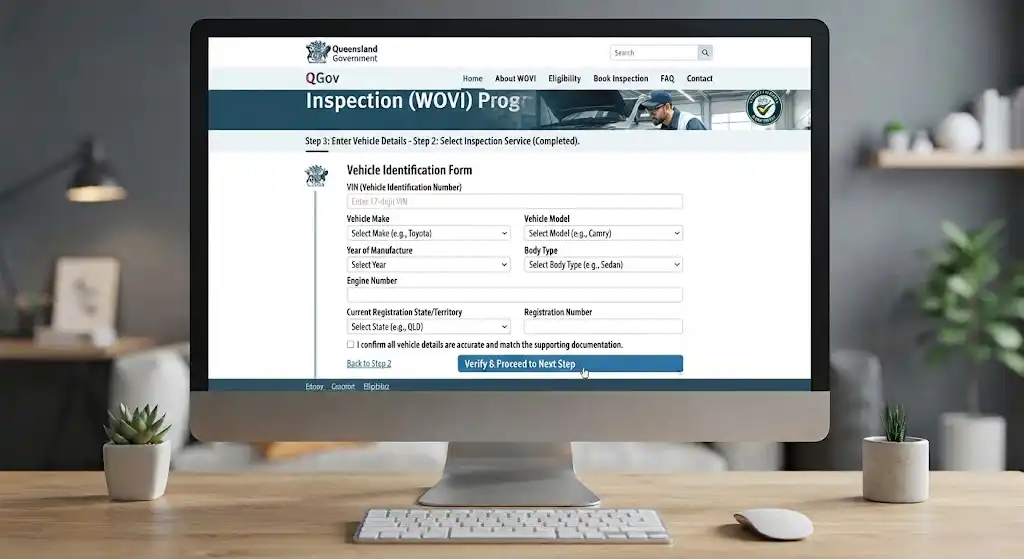
Enter the requested vehicle information accurately. This may include the VIN, vehicle make and model, registration information and other identification details. Check every entry before proceeding because incorrect vehicle information can cause problems with your booking.
Step 4: Enter Your Contact Details
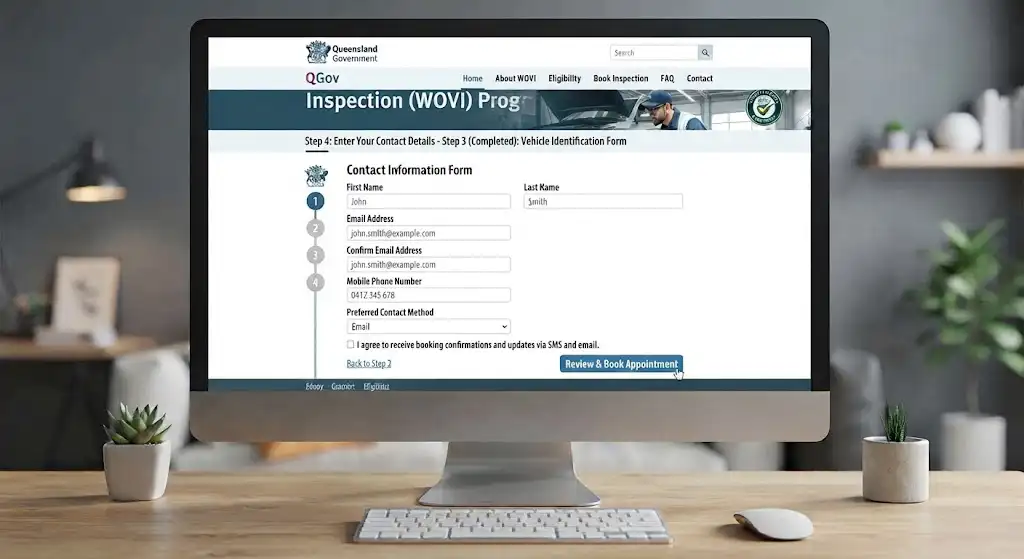
Provide your current contact information, including your name, phone number and email address. These details may be used for booking confirmations or other communication related to your WOVI inspection appointment.
Step 5: Choose an Appointment
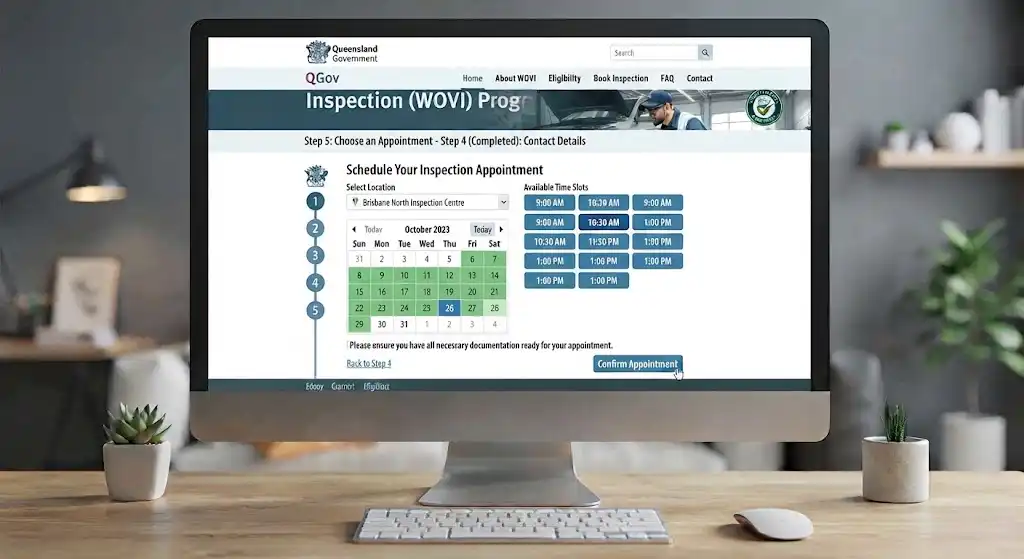
Select an available inspection location, date and time that works for you. If appointments are limited, it is better to arrange the inspection in advance and choose a time that gives you enough opportunity to prepare the vehicle and required paperwork.
Step 6: Complete the Payment
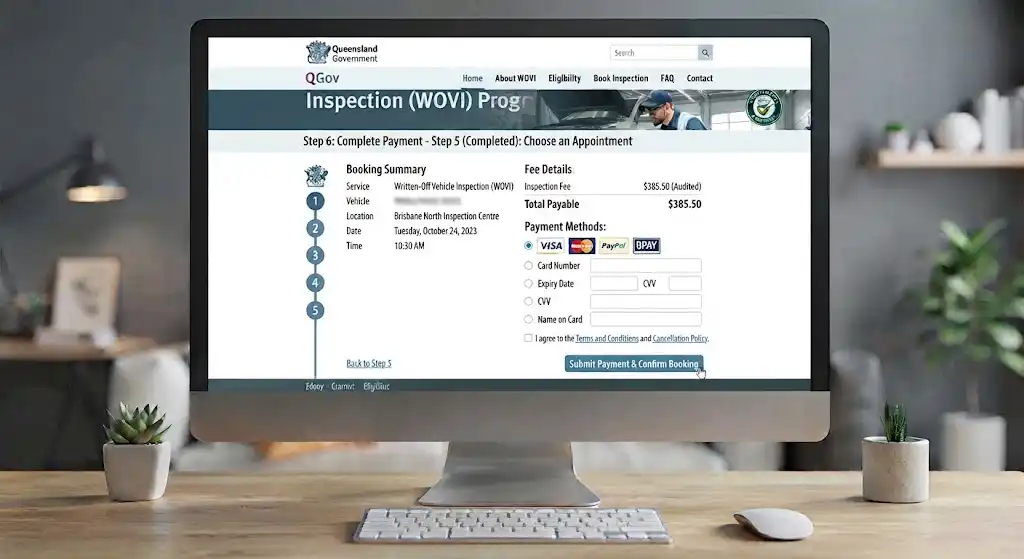
Review all the booking information before completing payment. Pay the applicable wovi booking fee using the available payment method and make sure the transaction is successfully completed before leaving the booking page.
Step 7: Print Your Booking Confirmation
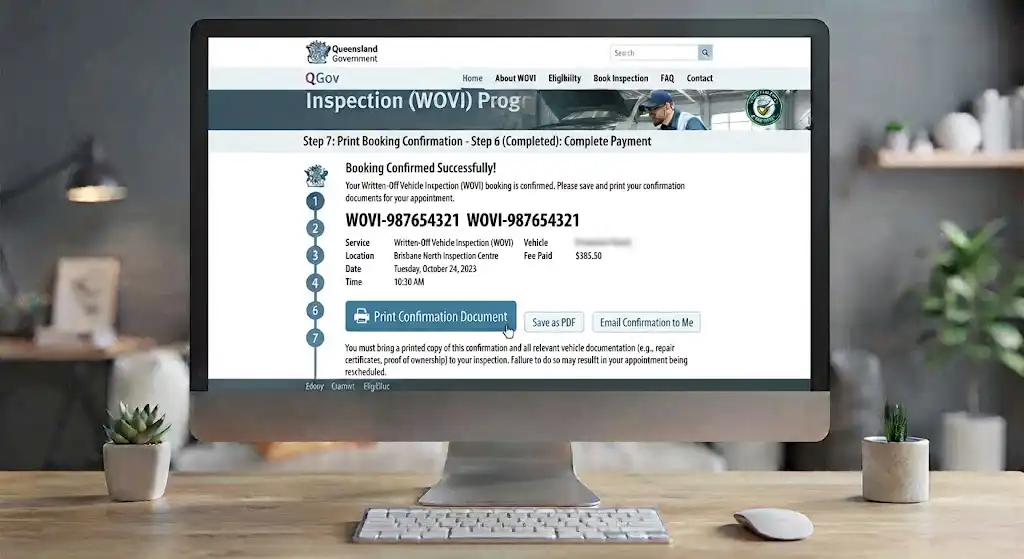
Once the booking has been confirmed, save your confirmation details and print the required confirmation documents. Keep the printed paperwork safely with your other inspection documents so you can present it when attending the appointment.
Step 8: Prepare Your Vehicle and Documents
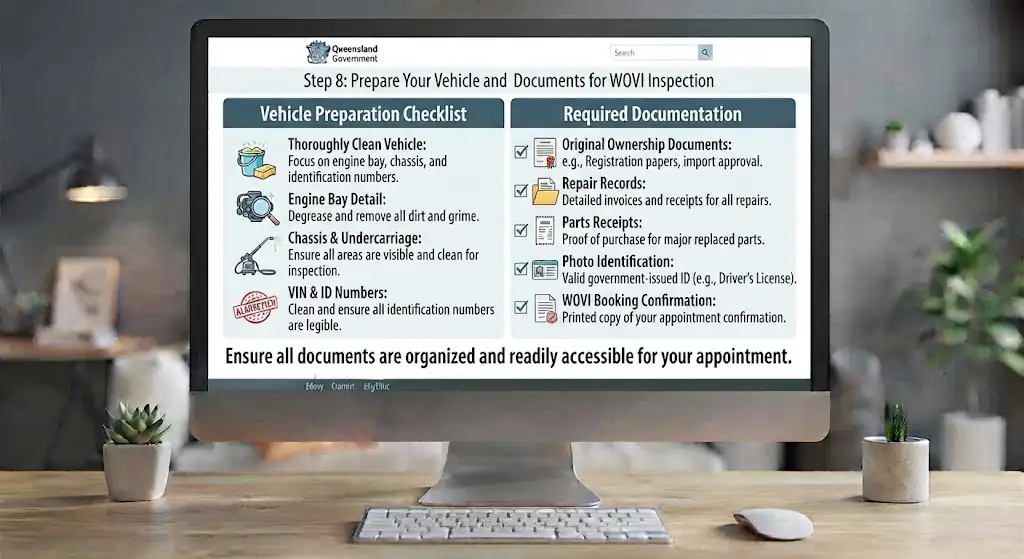
Before the inspection date, thoroughly clean the vehicle, particularly the engine bay, chassis and areas containing identification numbers. Prepare your original ownership documents, repair records, parts receipts, photo identification and other required paperwork so everything is ready for the inspection.
Common WOVI Inspection Problems
Many inspection difficulties can be avoided by preparing the vehicle and paperwork in advance. Problems often arise when owners assume that a recently repaired vehicle is automatically ready for inspection.
Missing Original Receipts
One of the most significant paperwork problems is failing to provide original evidence for parts or repairs. A digital image or photocopy may not satisfy a requirement for an original document.
Before the appointment, review every major replacement component and ask yourself whether you can demonstrate where it came from.
Unclear Parts History
A replacement part may look perfectly suitable but still require supporting evidence. Where second-hand parts have been used, documentation about their source and ownership can become particularly important.
Keep the paperwork from the time of purchase rather than assuming you will be able to obtain it later.
Vehicle Identification Does Not Match
The vehicle details entered during booking should correspond with the physical vehicle and supporting records. Differences involving identification numbers or other key information can create problems during the inspection.
Carefully check the details before confirming the appointment.
Vehicle Is Not Clean Enough
A dirty engine bay or underside can make it harder for an inspector to examine relevant areas. Cleaning should therefore be part of the final preparation process rather than an afterthought.
A clean vehicle also makes it easier for you to identify potential issues before the appointment.
Repairable Write-Offs and Restricted Components
Not every written-off vehicle can simply be rebuilt and returned to the road. The classification of the vehicle and the rules applying to its components are important.
Understanding Repairable Write-Offs
A repairable write-off is a vehicle that has been assessed as capable of being repaired, subject to the applicable requirements. The WOVI process provides additional examination before the vehicle can progress through the relevant registration pathway.
The fact that repairs have been completed does not by itself establish that the vehicle has satisfied the inspection requirements.
Be Careful With Reused Parts
Parts sourced from another vehicle need to be properly documented. This is especially important when the component has come from a written-off or damaged vehicle.
Before installing a used component, retain the purchase evidence and any documentation that establishes its legitimate source. This creates a clearer repair history for the vehicle.
What to Do Before Your Appointment
A final review a few days before the wovi booking can prevent avoidable problems.
Use This Preparation Checklist
Vehicle
Documents
Booking
This simple review can highlight problems while there is still time to fix them.
Can Someone Else Take the Vehicle to the Inspection?
There can be circumstances where the vehicle owner cannot personally attend. If another person is presenting the vehicle, the appropriate authority and identification requirements need to be checked beforehand.
The official WOVI terms provide for an authority letter where a representative attends on behalf of the owner. The representative may also need to provide suitable identification.
The safest approach is to prepare the authorisation paperwork before the inspection date rather than relying on an informal arrangement.
What Happens After a Successful WOVI Inspection?
Passing the wovi booking does not necessarily mean that every registration requirement has been completed. It confirms that the vehicle has satisfied the relevant written-off vehicle inspection requirements.
Obtain Any Other Required Certification
A WOVI inspection is different from a safety or roadworthy assessment. If the registration process requires a safety certificate or another form of certification, that requirement still needs to be addressed separately.
The exact steps can depend on the vehicle and its registration circumstances.
Proceed With Registration Requirements
Once the vehicle has the required clearance and other documentation, the owner can continue with the applicable registration process.
Keep the inspection documentation safely with the rest of the vehicle records. These documents may be useful when completing subsequent transport or registration requirements.
What Happens After an Unsuccessful Inspection?
If the vehicle does not satisfy the inspection requirements, the next step is to identify exactly what needs to be corrected.
Read the Inspection Outcome Carefully
Do not simply assume that another appointment will solve the problem. Review the reasons given for the unsuccessful result and determine whether the issue concerns the vehicle, identification, documentation or parts history.
Correct the Identified Problems
Carry out the necessary repairs or gather the missing supporting documents. If a particular component or record needs further evidence, resolve that matter before arranging another inspection.
Arrange a Reinspection
Once the identified issues have been addressed, a reinspection may be required. A separate reinspection fee can apply, so preparing thoroughly before returning can help avoid repeated appointments and additional costs.
Tips for a Smoother WOVI Inspection
Good preparation is mainly about consistency. The vehicle, booking information and paperwork should tell the same story.
Keep Every Receipt From the Start
Do not throw away invoices after completing a repair. Keep receipts for parts, labour and other relevant work in a dedicated vehicle file.
Photograph Repairs for Your Own Records
Although photographs do not replace required original documentation, keeping your own photographic record of repair work can be useful for tracking the rebuilding process.
Organise photographs by date or repair stage so that the history is easy to understand.
Check Used Parts Before Installation
If you plan to use second-hand components, consider the documentation available for them before purchasing. A cheap component can become difficult to account for if there is no reliable purchase or ownership evidence.
Do a Final Document Review
The night before the appointment, check your folder rather than assuming everything is ready. Confirm that the original documents are present and that they relate to the correct vehicle.
A few minutes spent checking the paperwork can prevent an avoidable problem on inspection day.
WOVI Inspection: Quick Reference Table
| Area | What to Check |
|---|---|
| Vehicle identity | VIN, chassis and other relevant identification details |
| Vehicle condition | Relevant areas clean and accessible |
| Parts | Replacement components properly documented |
| Repairs | Repair history and supporting records available |
| Ownership | Suitable evidence showing vehicle ownership |
| Documents | Required original paperwork prepared |
| Booking | Correct vehicle and appointment information |
| Transport | Safe and lawful method of reaching the inspection site |
| Outcome | Follow any instructions if the inspection is unsuccessful |
| Reinspection | Correct identified issues before returning |
Mistakes That Can Waste Time
A wovi booking can involve detailed checking, so rushing the preparation process is rarely helpful. Several avoidable mistakes can create delays.
Relying on Phone Documents
Having receipts stored in an email account or on your phone may seem convenient, but it should not be assumed that electronic copies satisfy an original-document requirement.
Leaving Cleaning Until the Last Minute
Cleaning a vehicle immediately before leaving may not be enough if heavy contamination remains around identification areas. Prepare the vehicle properly in advance.
Losing Parts Documentation
Receipts can become scattered among emails, boxes and paperwork from different suppliers. Keep them together throughout the repair process.
Assuming a Roadworthy Certificate Is Enough
A safety certificate and a wovi booking are not interchangeable. Completing one does not automatically replace the other where both are required.
Booking Before Checking the Vehicle
An appointment does not guarantee that the vehicle is ready. Check its identification, repair records, parts documentation and physical condition before committing to the inspection.
WOVI Inspection and Vehicle Registration
A successful wovi booking is an important step for a repairable written-off vehicle, but it is not the same as registration approval. Queensland Government guidance confirms that a repairable write-off needs to pass both a written-off vehicle inspection and a safety certificate inspection before it can be re-registered for road use.
The WOVI process focuses on the identity of the vehicle and the parts used during repairs. A safety certificate has a different purpose and checks whether the vehicle meets the required minimum safety standards.
What Happens After WOVI Clearance?
Once the vehicle has successfully completed the required inspection, you can continue with the remaining registration requirements that apply to your circumstances.
These may include:
The exact requirements depend on the vehicle and its registration situation.
Does a WOVI Inspection Make the Vehicle Roadworthy?
No. This is an important distinction.
The wovi booking is primarily concerned with vehicle identity and the history and legitimacy of the vehicle and repair components. Queensland Inspection Services’ terms specifically state that the inspection is not a safety or roadworthiness inspection.
A vehicle therefore should not be treated as roadworthy simply because it has passed WOVI.
Repairable and Statutory Write-Offs
Understanding the difference between these two classifications is essential before spending money on repairs.
Repairable Write-Off
A repairable written-off vehicle may be repaired and potentially re-registered after meeting the applicable inspection requirements. In Queensland, this includes passing the WOVI and safety certificate processes.
The vehicle’s written-off history does not disappear after successful repair or registration. Queensland Government information states that a repairable WOV remains recorded on the written-off vehicle register.
Statutory Write-Off
A statutory write-off is treated differently. Queensland Government guidance states that statutory written-off vehicles cannot be re-registered.
Certain components from statutory write-offs are also restricted from being used in repairs or rebuilding. These include components that record the VIN or chassis number, certain chassis components and specified airbags.
This distinction should be confirmed before purchasing or rebuilding a written-off vehicle.
Special Case: Hail-Damaged Vehicles
Some hail-damaged vehicles may qualify for an exemption from the usual written-off vehicle inspection.
Queensland Government information says the exemption can apply where the vehicle has cosmetic hail damage only, the applicant was the registered operator immediately before the damage occurred and the registration was current.
If those conditions are not met, the normal written-off vehicle inspection process may still apply.
Why the Hail Exemption Matters
A qualifying vehicle does not need the normal wovi booking, but the written-off history remains recorded. The exemption does not remove the vehicle’s history from the register.
The vehicle must also remain compliant with applicable vehicle standards before it is driven on public roads.
Can an Unregistered Vehicle Be Taken to WOVI?
An unregistered vehicle cannot simply be driven anywhere without considering Queensland’s transport rules.
Queensland Government guidance specifically allows an unregistered vehicle to be moved for a written-off vehicle inspection in the circumstances covered by the relevant rules.
When Transporting an Unregistered Vehicle
Before moving the vehicle, establish whether you can legally drive it to the inspection or whether towing is the safer option.
If you need to drive an unregistered vehicle for purposes outside the permitted situations, an unregistered vehicle permit may be required. The vehicle must also be safe to move.
Do not assume that being booked for a WOVI inspection automatically makes every type of travel lawful.
WOVI Inspection Frequently Asked Question
Final Thoughts
Preparing for a WOVI inspection is much easier when the vehicle and its paperwork are organised well before the appointment. Check the vehicle identification details, keep original receipts and repair records, clean the areas that need to be examined, and make sure you understand the current inspection requirements.
Remember that WOVI is focused on the vehicle’s identity, repair history and relevant components, while safety certification is a separate requirement. Taking time to prepare properly can help reduce avoidable delays and make the inspection process more straightforward.
READ MORE:
Blacktown Council Pick Up 2026: Household Clean-Up Service Guide
FairPlay Vouchers Queensland: Sports Voucher Guide 2026
QLeave Login 2026: Online Portal Access, Registration & Account Help
OnGuard v3 Login 2026: Student Access, Training, Assessments & Safety Modules