

Reading Eggs is a widely used online literacy platform in Australia that helps children build reading skills and confidence through interactive lessons, educational games, phonics activities, and structured learning pathways. Developed with input from literacy specialists and educators, the platform supports learners from the early years through the upper-primary stage by combining structured reading instruction with engaging digital activities.
Parents, teachers, and schools across Australia use readingeggs to support areas such as phonics, vocabulary, spelling, reading comprehension, and general literacy development. The platform offers different learning environments for various ages and ability levels, allowing children to work through lessons at a suitable pace while using rewards and achievements to maintain motivation.
From registering a new account and helping a child sign in for the first time to understanding lessons, learning levels, and progress monitoring, the information below covers the main Reading Eggs features and account processes. Visit Homepage
What Is Reading Eggs?
readingeggs login is a digital reading programme designed to support literacy development for children from approximately 2 to 13 years of age. It combines a structured curriculum with interactive lessons, animations, quizzes, reading exercises, and reward-based activities to create an engaging learning environment.
The wider readingeggs platform includes several learning programmes and areas, each designed for particular stages of literacy development:
Although these areas have different learning purposes, they work within the same child-friendly readingeggs login environment and focus on developing important literacy abilities.
Why Australian Families Choose Reading Eggs
readingeggs appeals to many families because it combines a structured approach to literacy learning with activities that are designed to keep children interested. Instead of simply presenting reading exercises, the platform uses lessons, interactive tasks, games, rewards, and progression to encourage regular participation.
Key features and benefits include:
The platform can be used by children who need additional support with reading as well as learners who are developing their skills more quickly than expected. The ability to work through activities at an appropriate level can make the learning experience more suitable for individual needs.
Creating a Reading Eggs Account
Setting up a readingeggs login account is generally a straightforward process and can normally be completed within a few minutes. The parent or guardian creates the main account before adding the child or children who will use the learning platform.
Visit the Official Reading Eggs Website
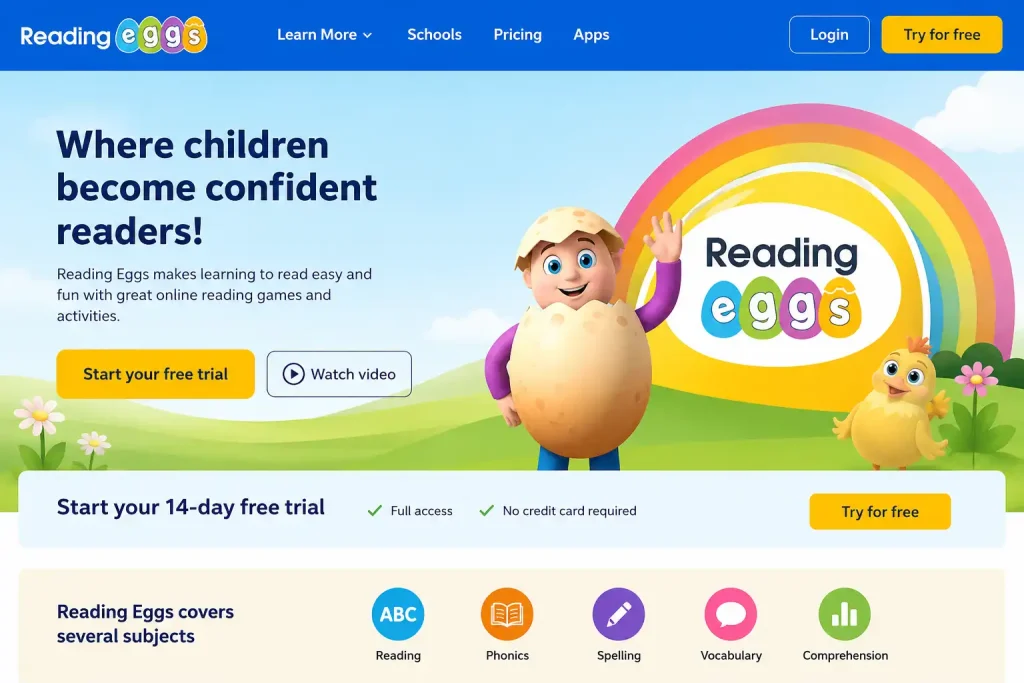
Start by opening the official readingeggs website and looking for the free trial registration option. New users may be able to try the platform before deciding whether to continue with a paid subscription.
Enter Parent or Guardian Information

The first part of registration involves creating the main parent or guardian account. This account is used to manage the child’s learning access and other account-related settings.
You will normally be asked to enter information such as:
When creating the password, use a secure combination that is not shared with other websites or services. Keeping account credentials unique can also make it easier to protect access to the readingeggs account.
Create Your Child’s Profile
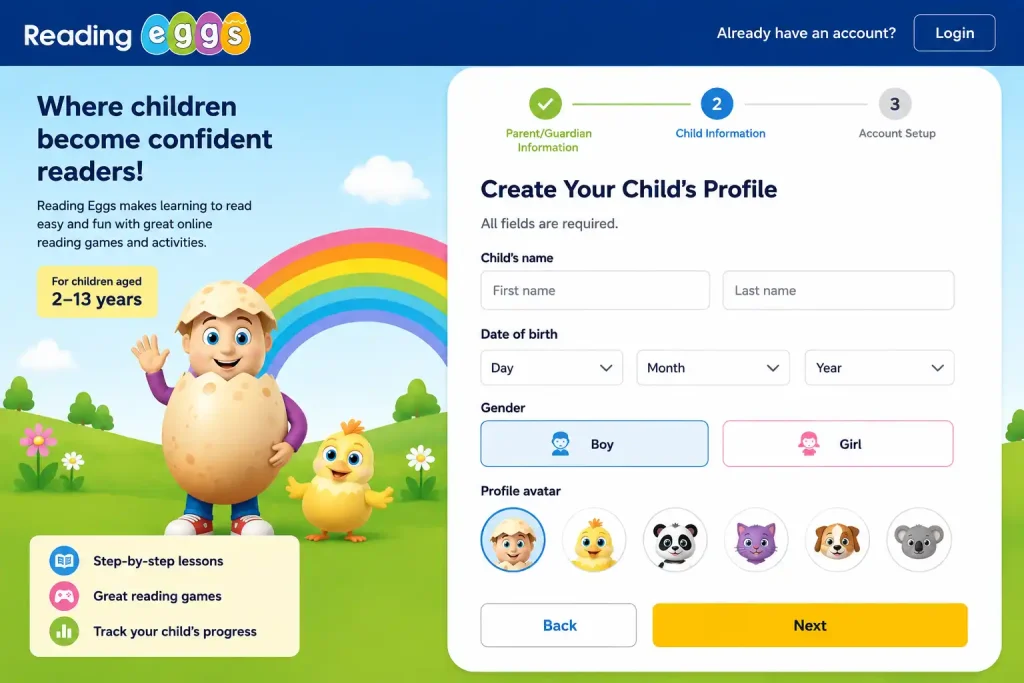
Once the parent account has been established, the next stage is to create a profile for the child who will use readingeggs.
The profile may contain information such as:
Providing these details helps the platform identify an appropriate starting point and support a learning experience that matches the child’s age and current stage.
Activate Your Account
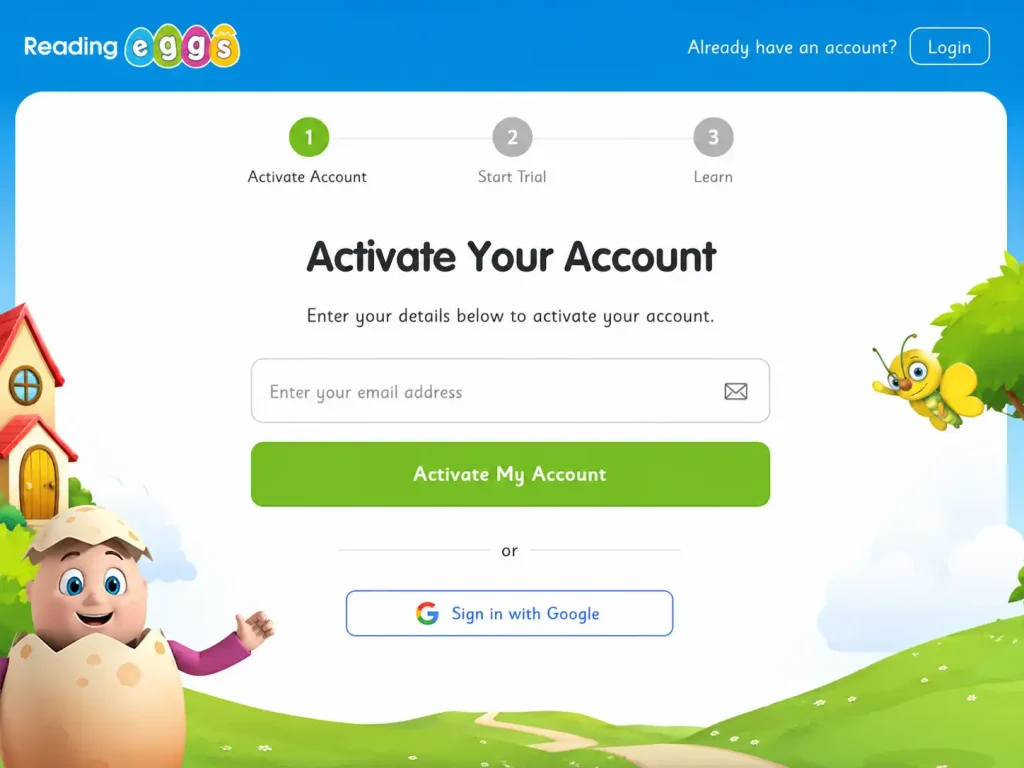
After the registration information has been submitted, the account can become active and you can start exploring the available readingeggs login learning areas.
Many parents choose to begin with the placement assessment. This can help identify a suitable lesson level so that the child does not start with work that is unnecessarily difficult or too basic for their current reading ability.
Understanding the Reading Eggs Login Process
readingeggs provides different access arrangements for parents and students. The exact login experience can depend on whether the account is being used at home or through a school.
Parent Dashboard Login
Parents normally access their account using the email address and password associated with registration. The parent dashboard provides access to account-management and learning-monitoring features.
From the parent dashboard, users can typically:
To access the account, open the readingeggs login area and enter the credentials that were created during registration. If the details are correct, the parent can then access the dashboard and manage the child’s learning experience.
Student Login
The student login experience is designed to be simpler, particularly for younger children who may not be able to manage a parent’s email address and account information.
Depending on how the account has been provided, student access may use:
These methods give children a way to enter their learning environment without requiring them to use the parent’s main account credentials.
School Accounts and Classroom Access
readingeggs is also used by Australian schools through institutional or school-based licences. When a school provides access, the process can differ from a family subscription because student accounts and learning activities may be managed by the school or teacher.
Students using a school account may receive:
Where a school already provides readingeggs access, parents generally do not need to purchase a separate subscription for that school access. A separate home subscription may still be considered when a family wants additional access outside the school’s arrangement.
Free Trial and Subscription Options
Many families begin by using the readingeggs login free trial before deciding whether the service is suitable for their child. A trial provides an opportunity to explore the learning environment and see how the child responds to its lessons and activities.
What the Trial Usually Includes
The trial period can provide access to major areas of the readingeggs platform, allowing parents to assess different types of literacy activities.
These may include:
Having access to these areas during the trial gives families an opportunity to consider whether the platform fits the child’s age, reading ability, learning preferences, and educational needs.
Home Subscription Plans
When the trial period finishes, families can decide whether to continue with a paid readingeggs subscription. The available plan can depend on the type of access required and the number of children using the account.
Common subscription choices include:
For households with more than one child, an annual or multi-child option may offer better value depending on the available subscription terms. Before selecting a plan, parents should consider how often the children are likely to use readingeggs and which learning areas they need.
How the Reading Eggs Learning Path Works
A key feature of readingeggs is the way its learning journey is organised. Instead of giving children a collection of unrelated activities, the platform uses a structured sequence in which reading skills are introduced and developed progressively.
Lessons become more demanding as a child’s literacy ability grows. This gradual progression gives learners the opportunity to strengthen basic skills before moving towards more advanced concepts, helping them develop both ability and confidence along the way.
Starting with the Placement Test
After a new student profile has been created, readingeggs may suggest completing a placement assessment before the child begins working through the regular lessons.
The assessment is intended to provide an indication of the child’s existing skills, including:
A child who can already read confidently does not necessarily have to work through the earliest lessons. The placement assessment can help identify a starting position that is closer to the learner’s existing ability, which can prevent unnecessary repetition and help maintain interest.
Why the Placement Test Matters
The starting level can make a noticeable difference to a child’s learning experience. If a child begins with material that is far below their current ability, they may lose interest, while lessons that are too advanced can make the learning process unnecessarily difficult.
Using an appropriate starting point can help to:
For this reason, completing the placement assessment before starting regular lessons can be useful, particularly when the child’s reading ability is not already known.
Understanding Reading Eggs Lessons
readingeggs lessons are arranged in a progressive sequence and presented through an interactive lesson map. Rather than treating every activity as a separate exercise, the platform connects lessons so that children can develop related literacy skills over time.
Individual lessons can focus on different areas of early and developing literacy, including:
As children work through the lesson sequence, they are expected to complete the relevant requirements before moving further along the learning map. This creates a clear progression from one skill area to the next.
What Happens Inside a Lesson?
A typical readingeggs lesson can contain several different activities rather than relying on a single type of exercise. The activities are designed to give children repeated practice with the skill being taught while keeping the lesson interactive.
Depending on the lesson, activities may include:
Using different activity types can help maintain a child’s attention and gives learners several ways to practise the same underlying literacy skill.
Lesson Completion Requirements
Children generally need to meet the requirements of a lesson before they can continue to later stages of the readingeggs learning map.
This may involve:
Once the necessary requirements have been met, the next lessons can become available, along with additional rewards. This system gives children a clear sense of progression as they move through the programme.
Rewards and Motivation System
readingeggs incorporates rewards into its learning environment to encourage children to keep participating and completing their literacy activities. The reward system gives learners something to work towards while they progress through lessons.
Golden Eggs
Children can earn virtual Golden Eggs by completing lessons and participating in activities. These Golden Eggs form part of the wider reward system within the readingeggs platform.
They can be used in different areas of the platform for reward-related features and customisation options. For younger learners in particular, receiving an immediate reward after completing learning activities can make regular practice feel more engaging.
Virtual Achievements
Golden Eggs are not the only form of recognition available to learners. Students may also receive different types of achievements as they progress through their reading activities.
These can include:
Such rewards provide positive reinforcement and give children opportunities to recognise the progress they are making. Celebrating these milestones can also encourage learners to continue working through their lessons.
Exploring Fast Phonics
Fast Phonics is a specialised area within the readingeggs learning environment that focuses on phonics development. Its purpose is to help children understand the relationship between letters, letter combinations, and the sounds they represent.
The programme places particular emphasis on developing decoding ability, which is an important part of learning how to read unfamiliar words.
What Is Fast Phonics?
Fast Phonics teaches children how written letters and combinations of letters correspond to sounds in spoken language. Through structured activities, learners practise using these relationships to recognise and decode words.
The programme introduces areas such as:
The lessons use interactive activities and engaging characters to present phonics concepts in a format intended to keep younger learners involved in the learning process.
Who Is Fast Phonics Designed For?
Fast Phonics is generally aimed at children who are developing their early reading abilities and need to strengthen their understanding of phonics.
It can be useful for:
Its structured progression allows children to work on one phonics skill before moving on to the next. This can help establish a stronger foundation for reading as learners become more comfortable with sounds, blending, and word recognition.
Reading Eggspress for Older Learners
Reading Eggspress provides a more advanced learning environment for children who have moved beyond the earliest stages of reading development. It is primarily intended for older primary-aged students who are ready to work with more demanding literacy content.
Rather than focusing mainly on basic reading foundations, Reading Eggspress gives learners opportunities to extend their reading, comprehension, vocabulary, spelling, grammar, and independent reading abilities.
Features of Reading Eggspress
Reading Eggspress provides several resources and activities that support developing literacy skills, including:
The wider range of reading material encourages children to work with different texts while continuing to develop the skills needed to understand and respond to what they read.
Building Reading Confidence
As children progress, they can be introduced to reading material that becomes increasingly complex. Reading Eggspress supports this transition by giving older learners opportunities to practise reading beyond basic instructional activities.
This can help develop:
Reading Eggspress can therefore serve as a continuation of the literacy journey for children who have completed or progressed beyond the foundational Reading Eggs lessons. It allows them to continue practising and extending their reading skills within the broader Reading Eggs environment.
Storylands and Reading Adventures
Storylands provides another way for children to engage with reading through interactive stories. Instead of concentrating only on direct skills practice, this area gives learners an opportunity to experience reading in a more story-focused and relaxed setting.
Interactive stories can provide:
Story-based activities can be particularly useful for helping children develop a positive attitude towards books and reading. When reading is connected with stories and exploration, children may begin to see it as an enjoyable activity rather than something they are required to complete only for learning purposes.
Games, Rewards and Interactive Learning Areas
readingeggs is not limited to structured reading lessons. The platform also includes educational games, reward areas, and interactive features that give children additional opportunities to practise literacy skills in a more enjoyable format. These activities are intended to support learning while making regular participation feel less repetitive.
Games Arcade
The Games Arcade provides a collection of educational activities where students can practise reading and language-related skills through game-based experiences.
Children can spend the Golden Eggs they earn while completing lessons and activities on different games available within the platform. This gives learners an additional reason to complete their lessons and turns the reward system into part of the wider learning experience.
The arcade can help reinforce skills such as:
Because the activities are presented as games, children can continue practising important skills without feeling that every activity is another traditional lesson.
Avatar and Personalisation Features
Personalisation is another part of the readingeggs experience that can help keep children interested in the platform. Many younger learners enjoy being able to change aspects of their digital environment and make it feel more personal.
Depending on the features available to the child, personalisation can include elements such as:
These options give children another reason to collect rewards and continue completing lessons. The opportunity to customise their environment can make progress feel more meaningful, particularly for younger students who respond positively to visual rewards.
Driving Tests and Skill Challenges
Some areas of readingeggs include timed activities and additional challenges that allow students to practise skills they have already encountered during their lessons.
These activities can provide extra practice with:
Presenting these exercises in a game-like format can encourage children to participate willingly while still giving them opportunities to reinforce previously learned literacy skills.
Tracking Progress Through the Parent Dashboard
One of the useful features of readingeggs for parents is its progress monitoring system. Parents can review information about a child’s learning journey without having to sit beside them during every lesson or activity.
The Parent Dashboard provides a central place to review learning activity, achievements, and development over time.
Learning Reports
Parents can use the Parent Dashboard to gain a clearer picture of how their child is progressing and which activities they have completed.
Information available through reports may include:
| Report Feature | Purpose |
|---|---|
| Lesson Completion | Shows lessons that have been completed as well as those still pending |
| Learning Progress | Shows advancement through the relevant reading levels |
| Activity History | Keeps a record of recent learning sessions and activities |
| Achievement Tracking | Highlights certificates, rewards, and important milestones |
| Reading Development | Helps monitor literacy development over time |
These reports can make it easier for parents to identify areas where their child is performing well and areas where additional reading practice may be useful.
Weekly Progress Updates
Regular progress information can help families stay aware of how consistently a child is using the platform. Many parents find these updates useful because they provide a quick view of recent learning activity without requiring them to review every individual lesson.
Weekly summaries may include information such as:
Keeping track of this information can help parents remain involved in their child’s literacy development and identify patterns in learning progress.
Managing Multiple Children
Parents with more than one child using readingeggs can manage multiple learner profiles from a single parent account. Each child can have their own profile and learning progress, making it easier to keep their information separate.
Through the account, parents can:
Each child follows a learning pathway based on their own reading ability, so siblings do not necessarily need to work through the same lessons or at the same pace.
Achievement Certificates and Milestones
readingeggs provides different forms of recognition as children work through the platform and reach learning milestones. Certificates and achievement awards can give children a visible reminder of the progress they have made.
Printable Certificates
When students reach certain milestones, certificates may be made available for downloading or printing. These can be used by parents or teachers to recognise the child’s effort and progress.
Certificates may celebrate achievements such as:
Parents can use these certificates as part of a wider encouragement system at home, while teachers may also incorporate them into classroom recognition or reward activities.
Building Long-Term Motivation
Recognition can play an important role in encouraging children to continue practising their reading skills. Seeing a certificate, achievement, or other evidence of progress can give learners a clear sense that their effort is producing results.
readingeggs combines different forms of recognition, including rewards, certificates, and achievement milestones, to help maintain enthusiasm as children move through the learning pathway. These features work alongside the educational content rather than replacing the actual literacy practice.
Common Reading Eggs Login Problems and Solutions
Although most users can access readingeggs without difficulty, login problems can occasionally occur. Issues may be related to forgotten passwords, incorrect account details, school access, or simple typing errors.
Checking the account information carefully is often the first step when a child or parent cannot sign in.
Forgotten Password
If you have forgotten the password associated with your readingeggs account, the password recovery process can be used to regain access.
The usual process involves:
Password reset messages are generally sent to the registered email address, and they may arrive within a few minutes. If the message does not appear immediately, checking the spam or junk folder can also be useful.
Incorrect Login Details
Incorrect credentials are a common reason for unsuccessful login attempts. Before trying more complicated troubleshooting steps, check that the information being entered matches the account details.
Login problems may result from:
Carefully re-entering the credentials can resolve many access problems, particularly when a browser has automatically filled in outdated information.
Student Cannot Access Their Account
If a child is unable to access their student account, first check that the login information being used is the correct information for that particular student.
Useful checks include:
For classroom accounts, parents may not be able to resolve every login issue themselves because student access can be controlled by the school or teacher. In such cases, confirming the details with the teacher is often the most appropriate step.
Device and Browser Compatibility
Reading Eggs is designed to work across a range of modern devices, giving children flexibility in where they complete their literacy activities. Families can use the platform on computers and other compatible devices rather than being restricted to a single type of hardware.
Supported Browsers
For a smoother experience, users should keep their web browser updated. Common modern browsers used to access readingeggs include:
Using a current browser can help with platform performance, security, and compatibility. If a feature is not working correctly, checking for available browser updates is a sensible troubleshooting step.
Mobile and Tablet Access
Reading Eggs can also be used on compatible mobile devices and tablets, providing families with another way to access lessons and activities.
Children may be able to learn using:
Tablet access can be particularly convenient for younger learners because the touchscreen interface can make interactive activities easier to use.
Resolving Audio and Performance Issues
Several readingeggs activities use audio, particularly when children are working on phonics, listening exercises, or spoken instructions. As a result, sound and device performance can affect the learning experience.
Audio Not Working
If audio does not play correctly during a Reading Eggs activity, begin by checking the device’s basic sound settings before changing account settings.
Possible checks include:
Audio can be especially important during phonics activities, where children may need to hear sounds and instructions as part of the learning task.
Slow Performance or Freezing
If readingeggs becomes slow, stops responding, or appears to freeze during an activity, several basic troubleshooting steps can help.
Try the following:
These steps can resolve common performance problems caused by temporary browser issues, outdated software, or an unstable internet connection.
Tips for Getting the Best Results from Reading Eggs
readingeggs is most useful when children use it consistently rather than only occasionally. A regular routine can give learners more opportunities to practise and reinforce the skills introduced in their lessons.
Parents and educators can encourage better results by following practices such as:
A consistent routine can provide more effective literacy practice than relying on occasional, much longer learning sessions. Digital activities can support reading development, but combining screen-based learning with physical books also gives children valuable opportunities to practise reading in different formats.
Reading Eggs Frequently Asked Questions
Final Thoughts
readingeggs brings structured literacy teaching together with interactive digital activities to help children develop reading confidence and essential language skills. Its learning environment includes readingeggs lessons, the Fast Phonics programme, Reading Eggspress resources, reward features, achievement certificates, and progress monitoring tools designed to support children from approximately 2 to 13 years of age.
For parents looking for additional reading practice at home, readingeggs can provide a structured way to support a child’s literacy journey. Teachers and schools can also use its learning pathways and monitoring features as part of broader literacy support.
The platform allows children to work through activities according to their reading ability while using games, rewards, stories, and achievements to keep learning engaging. By bringing structured literacy activities and interactive technology together, readingeggs provides Australian families, teachers, and young learners with a flexible online environment for developing reading skills.
READ MORE:
Seesaw Guide 2026: Login, Activities, Student Learning & Family Access
Australian Passport (2026): Complete Guide to Apply, Renew, Replace and Manage Your Passport
ImmiAccount Login Guide (2026): Complete Registration, Visa Application & Account Management Guide