

Blue Slip NSW is an important requirement for certain unregistered vehicles that need to be registered or re-registered in New South Wales. Officially known as an Authorised Unregistered Vehicle Inspection Scheme (AUVIS) inspection, a Blue Slip checks whether an eligible vehicle meets the relevant safety, design and identity requirements before registration can be completed.
Unlike a Pink Slip, which is generally associated with the safety inspection required for eligible registration renewals, a Blue Slip is used for specific unregistered-vehicle situations. This can include vehicles with registration that has been cancelled after a lengthy expiry, vehicles brought into NSW from interstate or overseas, and certain vehicles requiring additional inspection or registration checks.
If you have bought an unregistered vehicle, moved to NSW with a vehicle from another state, imported a car, or need to deal with a vehicle that has particular registration circumstances, understanding the Blue Slip NSW process can help you prepare the right documents, arrange the correct inspection and avoid unnecessary delays. Visit Homepage.
What Is a Blue Slip in NSW?
A Blue Slip NSW is an AUVIS inspection report for an unregistered vehicle. The inspection is carried out by an authorised inspection provider accredited by Transport for NSW.
The purpose is not simply to check whether the car starts or drives properly. The inspection is designed to establish that the vehicle is safe and complies with relevant design and identity requirements.
The current Service NSW guidance states that all unregistered light vehicles generally need an AUVIS inspection report before they can be registered in NSW. The inspection must be completed through an appropriately accredited inspection station.
What Does the Blue Slip Check?
A Blue Slip inspection can involve checks relating to:
The exact inspection requirements can depend on the type and circumstances of the vehicle.
This is why preparing the vehicle before the inspection is worthwhile. A vehicle that has been sitting unused for months may have problems with tyres, lights, brakes, battery, fluid leaks or other components even if it was operating normally before its registration expired.
When Do You Need a Blue Slip NSW?
Not every vehicle registration transaction requires a Blue Slip. The requirement depends on the vehicle’s registration status and circumstances.
Registration Has Expired for More Than Three Months
One of the most common reasons for needing a Blue Slip is an expired registration.
If NSW registration has been expired for more than three months, the registration is automatically cancelled. The vehicle then needs to go through the re-registration process rather than an ordinary renewal. Service NSW states that an AUVIS report is required in this situation.
This distinction is important because a vehicle that has only recently passed its registration expiry date may have a different process.
The Vehicle Has Come From Interstate
A vehicle brought into NSW from another Australian state or territory may need a Blue Slip before it can be registered in NSW.
This commonly applies when someone moves to NSW and brings their existing vehicle with them, or when a vehicle is purchased interstate and needs to be registered locally.
The NSW registration process can also require proof of registration entitlement, identity documents, CTP insurance and other supporting paperwork.
The Vehicle Has No Number Plates
A vehicle without number plates can also fall within the circumstances where an AUVIS inspection is required.
If registration has been cancelled and the old plates are no longer available, additional registration steps may apply when the vehicle is registered again.
A Written-Off Vehicle Has Been Approved for Re-Registration
Written-off vehicles have additional requirements.
A written-off light vehicle that is being returned to the road may require an Authorisation to Repair, repairs and certification, an AUVIS inspection and a Vehicle Identity & Inspections Unit inspection before registration can be completed.
This means a Blue Slip is only one part of the process for a qualifying written-off vehicle.
Significant Vehicle Changes Have Been Made
A Blue Slip may also be required when registration records need to be adjusted because an important vehicle detail has changed.
Service NSW gives a new engine as an example of a significant change that may require an AUVIS report. Other modifications can require different certificates or inspections depending on what has been changed.
Blue Slip vs Pink Slip: What Is the Difference?
The terms Blue Slip and Pink Slip are often confused because both relate to vehicle inspections in NSW.
They serve different purposes.
| Blue Slip | Pink Slip |
|---|---|
| AUVIS inspection | Safety inspection |
| Mainly associated with unregistered vehicles | Mainly associated with registration renewal |
| Checks safety, design and identity requirements | Checks whether the vehicle is safe for road use |
| Used for certain registration and re-registration situations | Used when required for registration renewal |
| Generally valid for 42 days | Light vehicle safety inspection reports are generally valid for 6 months |
A Blue Slip is therefore not simply an alternative name for a Pink Slip. The correct inspection depends on the vehicle’s registration circumstances.
How to Get a Blue Slip in NSW
Getting a Blue Slip is easier when you treat it as a short process rather than simply turning up at the nearest mechanic.
1. Check Whether Your Vehicle Needs an AUVIS Inspection
Start by confirming why the vehicle needs registration or re-registration.
For example, you may need a Blue Slip if:
If you are unsure, check the current NSW registration requirements before arranging an inspection. This can prevent you from paying for an inspection that is not the appropriate step for your situation.
2. Find an Authorised Inspection Station
The inspection must be completed by an appropriately accredited provider.
Look for an Authorised Inspection Station (AIS) that is authorised to perform the required AUVIS inspection. Service NSW explains that authorised stations display an AIS sign showing the types of inspections they are authorised to perform.
Not every workshop is necessarily authorised to carry out every type of inspection, so it is worth confirming this before making an appointment.
3. Contact the Inspection Provider
Once you find a suitable inspection station, contact the provider and ask about availability.
It is useful to have the following information ready:
The inspection station can then advise you about the appointment and anything specific you should bring.
4. Arrange Legal Transport to the Inspection
An unregistered vehicle cannot simply be driven around NSW as though it were registered.
If you need to move an unregistered vehicle, you may need an Unregistered Vehicle Permit (UVP) for an eligible journey, or you can arrange suitable transport such as a tow truck or trailer.
A UVP permits an eligible unregistered vehicle to be driven for a specific journey and is subject to conditions. It is not a replacement for registration.
This is an important point for anyone arranging a Blue Slip inspection: do not assume that an appointment automatically gives you permission to drive an unregistered vehicle on public roads.
5. Take the Vehicle for Inspection
At the appointment, the authorised examiner will inspect the vehicle against the applicable requirements.
The examination can cover both the vehicle’s condition and its identity.
The inspection is therefore more comprehensive than a basic visual check by a mechanic.
6. Wait for the Inspection Result
If the vehicle meets the applicable requirements, the AUVIS report can be used as part of the registration process.
In most cases, the report is sent electronically to Transport for NSW. Service NSW also states that you need to bring the original hard copy of the report when registering the vehicle at a service centre, so keep any paperwork supplied by the inspection provider.
What Documents Should You Take to a Blue Slip Inspection?
Having the right information available can make the inspection and later registration process much smoother. The exact documents you need can vary according to why the vehicle is being registered, so it is sensible to check the requirements that apply to your particular situation.
Vehicle Identification Details
Make sure you have the vehicle’s key identification information available, including:
The inspector needs to establish that the vehicle presented for inspection matches its recorded identity. This is one of the features that separates a Blue Slip NSW inspection from a routine safety inspection.
Proof of Ownership or Registration Entitlement
You may also need documents showing that you are entitled to register the vehicle.
Depending on the circumstances, useful documents can include:
Keep original documents where the registration process requires them. If you are unsure about a particular document, check the requirements before attending the Service NSW centre.
Documents for Modified or Repaired Vehicles
Extra paperwork may be necessary if the vehicle has undergone substantial modifications or repairs.
For example, an engine replacement, structural alteration or work associated with a written-off vehicle can create additional certification requirements. Do not assume that passing the mechanical inspection alone resolves every registration requirement.
How Much Does a Blue Slip Cost?
The price of a Blue Slip NSW inspection depends on the vehicle category and the applicable inspection fee.
The inspection charge is separate from other expenses involved in getting the vehicle registered. If the vehicle requires repairs before it can pass, those repair costs are also separate.
Possible costs can include:
| Cost | What it covers |
|---|---|
| AUVIS inspection fee | Inspection of the unregistered vehicle |
| Repairs | Fixing defects identified during inspection |
| Re-inspection | May apply if another inspection is required |
| CTP Green Slip | Compulsory third-party insurance |
| Registration fees | Registration of the vehicle |
| Stamp duty | May apply depending on the transaction |
| Transport | Towing, trailer hire or other legal transport |
| Certification | Additional engineering or inspection requirements where applicable |
Why the Total Cost Can Be Higher Than the Inspection Fee
It is easy to think that getting a Blue Slip means paying one inspection fee and then immediately registering the car. In practice, the final amount can be higher.
A vehicle may need repairs before it passes. You may also need CTP insurance, registration charges, government duties or additional inspections depending on the vehicle’s circumstances.
For that reason, it is useful to separate the Blue Slip inspection cost from the overall cost of putting an unregistered vehicle back on the road.
How Long Is a Blue Slip Valid?
A Blue Slip NSW inspection report is valid for 42 days from the date of issue. This gives you a limited period to complete the registration process.
Why the 42-Day Period Matters
Do not leave the registration application until the final days if you can avoid it.
Once the report expires, you may need to obtain another inspection before registration can proceed. This can mean additional time and another inspection expense.
A practical approach is to organise the other parts of the registration process as early as possible.
What Should You Do After Passing?
After receiving a successful inspection result, work through the remaining registration requirements promptly.
Depending on your circumstances, this may involve:
- Arranging compulsory third-party insurance.
- Preparing your identification and ownership documents.
- Gathering the inspection paperwork.
- Completing any additional requirements that apply to the vehicle.
- Attending a Service NSW centre when required.
- Paying the relevant registration charges and duties.
- Obtaining registration and number plates where applicable.
The exact process can differ for interstate vehicles, imported vehicles, written-off vehicles and other special circumstances.
How to Register a Vehicle After Getting a Blue Slip
Once your vehicle has passed the Blue Slip NSW inspection, you can move on to the registration process.
1. Complete the Blue Slip Inspection
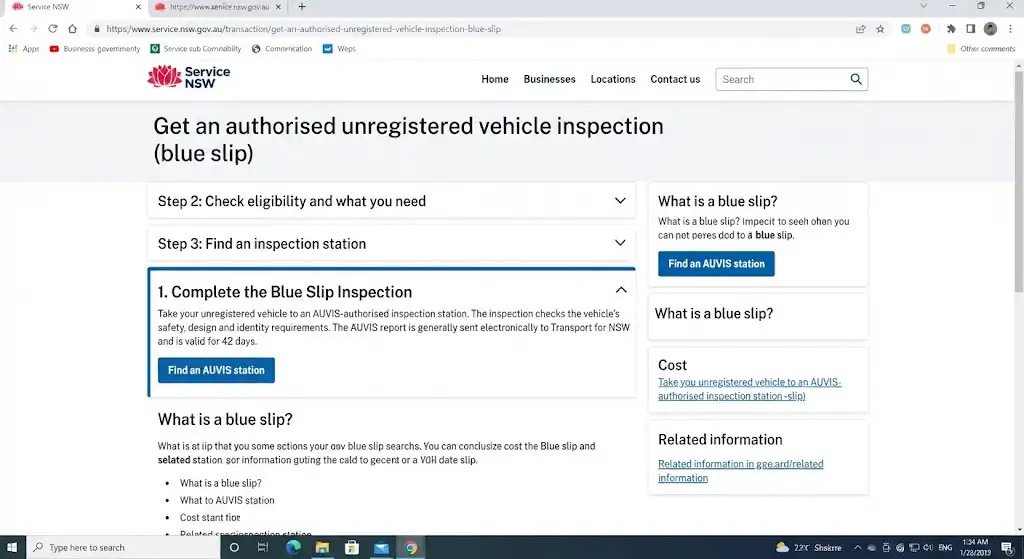
Take your unregistered vehicle to an AUVIS-authorised inspection station. The inspection checks the vehicle’s safety, design and identity requirements. The AUVIS report is generally sent electronically to Transport for NSW and is valid for 42 days.
2. Arrange Compulsory Third Party Insurance
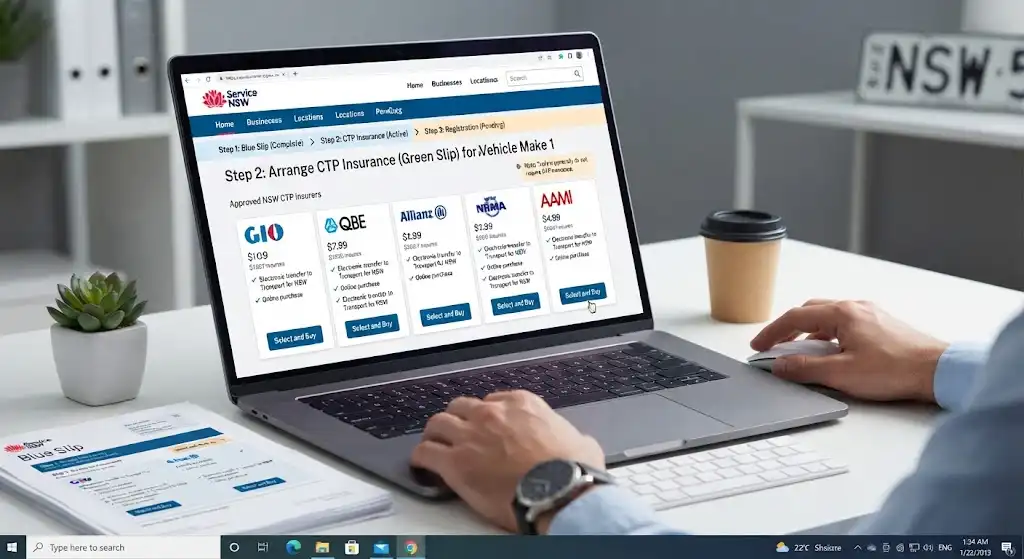
Before registering the vehicle, arrange the required CTP insurance (Green Slip). Trailers generally do not require CTP insurance.
3. Prepare Your Documents
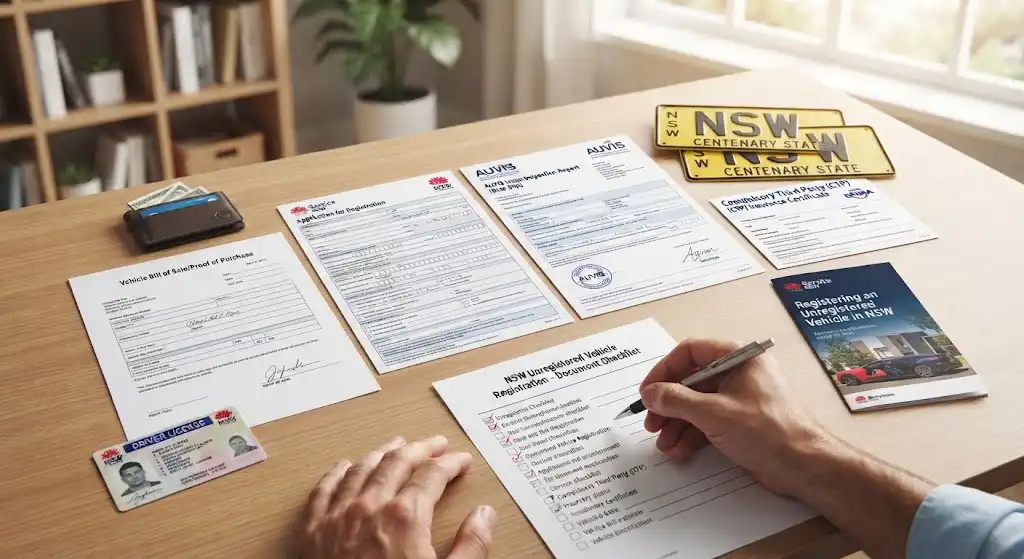
You will generally need:
The exact documents can vary depending on why the vehicle needs registration.
4. Visit a Service NSW Centre

Take your completed application, supporting documents, Blue Slip and payment to a Service NSW Centre. For an expired NSW vehicle that has been unregistered for more than three months, Service NSW specifically requires the application, proof of identity, proof of registration entitlement, CTP insurance, Blue Slip, applicable fees and number plates if available.
5. Pay the Registration Costs
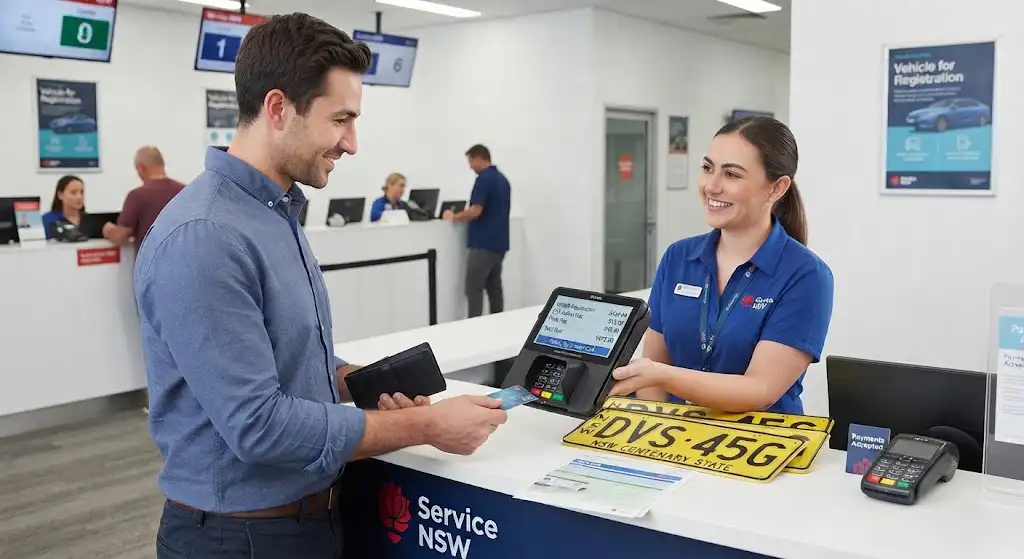
At the service centre, you will need to pay the applicable registration fees and any other charges that apply to your vehicle and circumstances.
6. Receive Your Registration
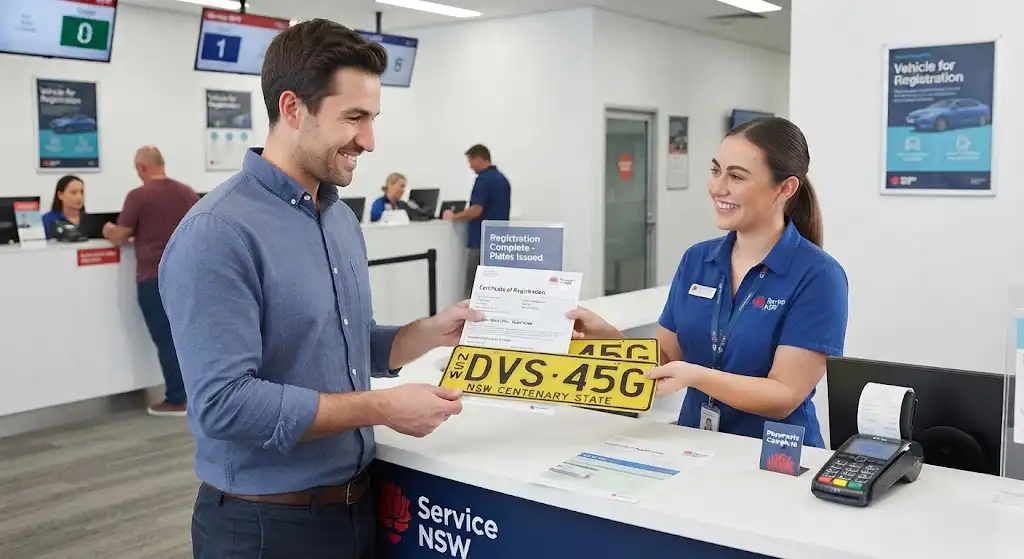
Once the application is accepted and the required payments are made, the vehicle can be registered. If the vehicle is being re-registered after its registration expired by more than three months, new number plates are issued.
What Happens If Your Vehicle Fails a Blue Slip?
A failed inspection does not necessarily mean that the vehicle cannot be registered. It means that the vehicle has not met the applicable requirements at the time of inspection.
The inspection provider should identify the issues that need attention.
Common Reasons for Failure
Problems can occur with many different parts of an older or poorly maintained vehicle.
Common areas worth checking before an inspection include:
Tyres
Inspect the tyres for sufficient tread, damage and general condition. Uneven wear can also indicate problems elsewhere in the suspension or steering system.
Brakes
Brake performance and condition are important safety considerations. Warning signs such as unusual noises, vibration or poor braking should be investigated before the inspection.
Lights
Check that headlights, brake lights, indicators, number-plate lights and other required lighting equipment are functioning correctly.
A single failed bulb can be an avoidable problem, so test the lights before taking the vehicle to the inspection station.
Windscreen and Wipers
Check the windscreen for damage and make sure the windscreen wipers work correctly and provide an adequate wipe.
Damage in the driver’s field of vision can be particularly important.
Seatbelts
Examine seatbelts for obvious damage, fraying or other problems. Make sure buckles latch properly and the belts operate as intended.
Steering and Suspension
Excessive movement, damaged components or unusual steering behaviour can indicate a problem requiring professional attention.
Fluid Leaks
Look underneath the vehicle for signs of leaking oil, coolant, brake fluid or other fluids.
A vehicle that has been parked for an extended period can develop leaks that were not present when it was last driven regularly.
Can You Fix the Vehicle and Get Another Inspection?
If the vehicle does not meet the requirements, repairs may be necessary before the registration process can continue.
The appropriate next step depends on the issues identified and the inspection provider’s advice.
Rather than replacing parts unnecessarily, ask for a clear explanation of what needs to be repaired and why. Keep invoices, certificates and other relevant documentation, particularly where the repair relates to a modification or a significant vehicle change.
Blue Slip NSW Checklist Before Your Appointment
A short pre-inspection check can save time and help you identify obvious problems.
Exterior Checklist
Under-Bonnet Checklist
Interior Checklist
This is not a substitute for an authorised inspection. It is simply a practical way to identify obvious issues before paying for the inspection.
What About an Unregistered Vehicle Permit?
One of the most important issues for anyone arranging a Blue Slip NSW inspection is getting the unregistered vehicle to the inspection station legally.
An unregistered vehicle generally cannot be driven on public roads simply because it has an inspection appointment.
Using a UVP
An Unregistered Vehicle Permit (UVP) may allow an eligible unregistered vehicle to be driven for a specific journey, subject to the permit’s conditions.
The permit is designed for limited purposes and does not give the vehicle normal registration.
Using a Tow Truck or Trailer
If a permit is not suitable, towing the vehicle or transporting it on an appropriate trailer can be a straightforward alternative.
This can be particularly useful for vehicles that are not roadworthy or cannot safely be driven.
Important: Do not drive an unregistered vehicle on public roads without confirming that your journey is legally covered.
Interstate Vehicles and Blue Slip Requirements
Moving a vehicle from another state into NSW can create additional paperwork.
An interstate vehicle may need an AUVIS inspection before NSW registration can be completed. You may also need to provide evidence of identity, registration history and entitlement to register the vehicle.
Before Bringing an Interstate Vehicle to NSW
It helps to collect:
If the vehicle has unusual circumstances, check the NSW requirements before booking the inspection. This is especially important for modified, imported or previously written-off vehicles.
Written-Off Vehicles: Additional Requirements
A written-off vehicle needs particular care because a Blue Slip is not necessarily the only inspection or approval required.
Where a written-off vehicle has been authorised for repair and is being returned to the road, additional steps can apply. These can include repair certification and inspections associated with establishing the vehicle’s identity and eligibility for registration.
Do Not Treat a Blue Slip as the Entire Process
If you are dealing with a written-off vehicle, check the complete NSW process before spending money on repairs or an inspection.
The vehicle may need to satisfy requirements beyond the normal AUVIS inspection.
Common Mistakes to Avoid
Several avoidable mistakes can make the registration process take longer.
Mistake 1: Booking the Wrong Inspection
A Blue Slip is not interchangeable with a Pink Slip. Confirm which inspection your registration situation requires before booking.
Mistake 2: Driving an Unregistered Vehicle Without Checking the Rules
An inspection appointment does not automatically make an unregistered vehicle legal to drive on public roads. Check whether you need a UVP or arrange appropriate transport.
Mistake 3: Ignoring Small Mechanical Problems
A faulty indicator, damaged tyre, defective wiper or fluid leak can become an issue during inspection. A basic pre-check is worth doing.
Mistake 4: Forgetting About the 42-Day Validity Period
The inspection report has a limited validity period. Keep track of the issue date and organise the remaining registration steps within the required timeframe.
Mistake 5: Assuming Repairs Solve Every Registration Issue
Repairs may resolve a mechanical problem, but modified, imported or written-off vehicles can have additional documentation or inspection requirements.
Blue Slip NSW Final Checklist
Before you attend your inspection, use this quick checklist:
Frequently Asked Questions About Blue Slip NSW
Final Things to Remember
The Blue Slip NSW process is mainly about establishing that an unregistered vehicle meets the requirements for registration. It combines vehicle safety and identity checks and is used in several situations where ordinary registration renewal is not available.
The easiest way to avoid delays is to prepare before the inspection: confirm that you need an AUVIS report, use an authorised inspection station, transport the unregistered vehicle legally, bring the relevant paperwork and deal with any obvious vehicle problems beforehand.
Most importantly, don’t confuse a Blue Slip with a Pink Slip. They serve different purposes, and choosing the correct inspection at the beginning can save both time and money.
READ MORE:
WOVI Inspection 2026: Complete Guide to Booking, Requirements and Vehicle Inspection
Blacktown Council Pick Up 2026: Household Clean-Up Service Guide
FairPlay Vouchers Queensland: Sports Voucher Guide 2026
ImmiAccount Login Guide (2026): Complete Registration, Visa Application & Account Management Guide